

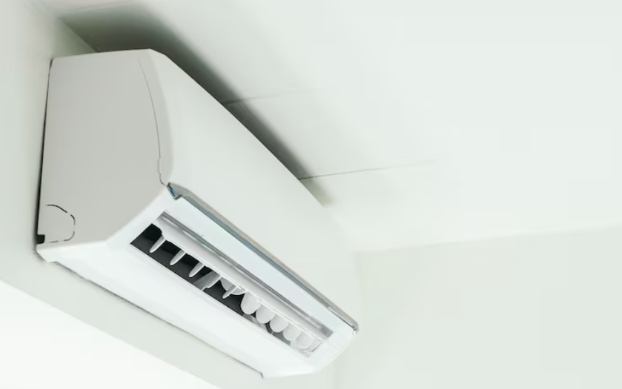
Heating, ventilation, and air conditioning (HVAC) systems play a significant role in maintaining a cozier and healthier home environment. That’s what every homeowner wants the most. An efficient HVAC system effectively provides homeowners with comfort while saving their money on energy bills.
Conversely, an inefficient HVAC system can lead to higher energy bills, poor air quality, and a shortened lifespan of your equipment. Here, the question arises: How to ensure your home’s HVAC system performs efficiently? There’s no need to go elsewhere.
In this article, we’ll shed light on five credible tips that will ensure your home’s HVAC remains in tip-top working condition for years to come.
So, let’s have a closer look at them…
1. Regular Maintenance
Every 1-3 months, you should replace or clean air filters, or as recommended. Sticking to this schedule will maintain airflow and prevent the system from working harder than necessary.
Additionally, keep the outdoor condenser unit free of leaves, debris, and overgrown plants to ensure efficient airflow.
Seek professional HVAC maintenance service from a reputable contractor. Periodic inspection, cleaning, and servicing, when done professionally, will ensure that your HVAC remains in top condition.
2. Improve Airflow
It’s advised to keep the vents and ducts clean at all times. But how? It’s not rocket science. Vacuum indoor vents. Ensure they’re not blocked by furniture. Further, consider professional duct cleaning to remove the dust buildup.
If there are any leaks around windows, doors, or ductwork, seal them with caulk or weatherstripping. This way, you’ll prevent conditioned air from escaping.
To help circulate air, use ceiling fans. In summer, it’s wise to set them to rotate counterclockwise. As a result, you’ll enjoy a cooling breeze. In winter, rotating them clockwise will push warm air down.
3. Optimize Settings and Insulation
Invest in a smart or programmable thermostat. Once installed, it will automatically adjust temperature when you’re away or asleep.
Seasonality counts more. So, adjust your thermostat by a few degrees seasonally. Leverage a zoning system that will control temperature in different parts of your home independently.
Be sure to insulate your home to maintain a consistent temperature. Don’t take the sunlight lightly. Close curtains and blinds to restrict sunlight from flooding in during hot summer days.
Hence, the more you try to keep your indoor temperature comfortable, the less your HVAC system will have to work.
4. Upgrade to Energy-Efficient Equipment
Energy efficiency is the need of the hour. Let’s say your system is over 10 years old. In that case, consider upgrading to a newer, more energy-efficient model, such as an ENERGY STAR-certified one.
Never upgrade to a system larger or smaller than your home requires. Otherwise, it can lead to inefficiency. So, ensure your HVAC unit is sized correctly.
Wrapping It Up
HVAC systems also require periodic care and attention. How well it’s maintained will keep it working like a brand-new one. To ensure the HVAC system’s optimal performance, proactivity is always better than reactivity. This will ultimately save you from last-minute hassles and from spending a lot on frequent repairs.